
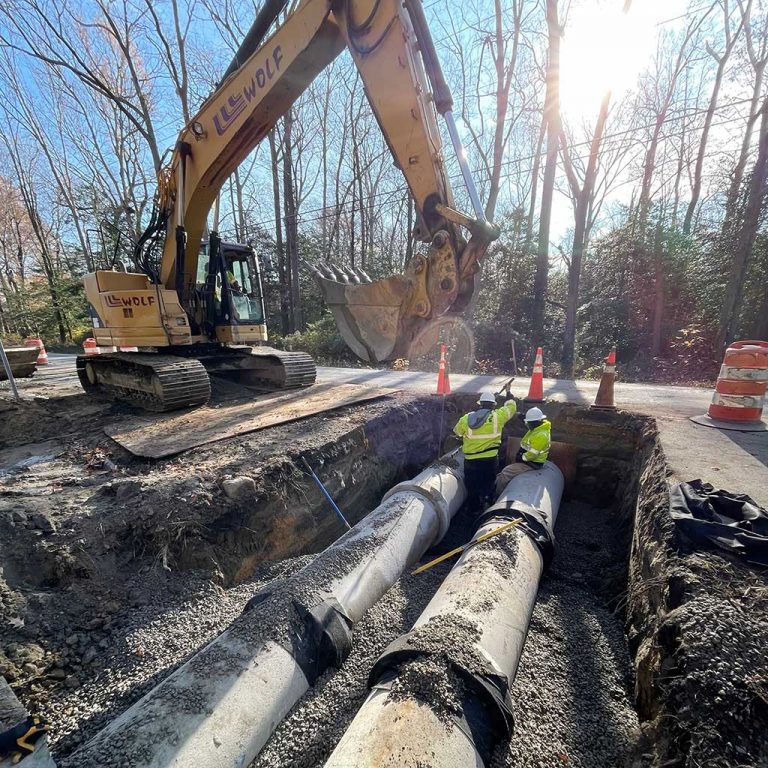
Underground utility construction is rapidly becoming one of the most critical pillars of modern infrastructure development in 2026. As cities expand, digital systems evolve, and demand for reliable essential services increases, the need for safe, efficient, and future-ready underground utility construction has never been greater. From water pipelines and electrical conduits to fiber-optic networks and gas lines, this sector supports the backbone of everyday life.
Companies like Instrata play a key role in advancing underground utility construction by integrating engineering expertise, precision planning, and modern safety standards to support complex infrastructure demands. As the industry evolves, organizations must adapt to smarter technologies, stricter regulations, and more sustainable construction practices to remain competitive and compliant.
This guide explores how underground utility construction is transforming in 2026, what best practices industry leaders are following, and how businesses can plan more resilient infrastructure projects.
The Growing Importance of Underground Utility Construction in 2026
Urbanization and technological advancement are placing unprecedented pressure on infrastructure systems. Above-ground space is increasingly limited, making underground utility construction the preferred solution for long-term development.
Key drivers behind its growth include:
- Rapid urban population expansion
- Increased demand for broadband and fiber networks
- Aging infrastructure replacement needs
- Climate resilience and disaster protection requirements
- Government investment in smart cities
Unlike traditional surface-level installations, underground utility systems are less exposed to environmental risks, vandalism, and physical damage. This makes them more reliable and cost-effective over time.
Modern Applications of Underground Utility Construction
Today’s underground utility construction projects go far beyond basic water and sewer systems. They now support a wide range of essential services that power modern living and business operations.
1. Telecommunications Infrastructure
Fiber-optic cable installation is one of the fastest-growing applications. High-speed internet, 5G networks, and data centers rely heavily on underground pathways to ensure uninterrupted connectivity.
2. Energy Distribution Systems
Electric power grids are increasingly being moved underground to reduce outage risks caused by storms, accidents, or environmental factors.
3. Water and Wastewater Systems
Modern municipalities depend on underground piping systems for clean water delivery and wastewater management, ensuring public health and environmental safety.
4. Gas and Fuel Lines
Underground gas distribution networks are designed with advanced safety monitoring systems to reduce leakage risks and improve efficiency.
5. Smart City Infrastructure
Sensors, IoT devices, and automated monitoring systems are being integrated into underground utility construction to support real-time data collection and infrastructure intelligence.
Key Challenges in Underground Utility Construction
Despite its benefits, underground utility construction presents several technical and operational challenges that require expertise and careful planning.
1. Subsurface Uncertainty
One of the biggest risks is the lack of accurate underground mapping. Unknown utilities or outdated records can lead to delays, damage, and safety hazards.
2. High Initial Costs
Excavation, specialized equipment, and labor requirements make underground projects more capital-intensive compared to above-ground alternatives.
3. Regulatory Compliance
Strict regulations govern excavation safety, environmental protection, and utility coordination. Non-compliance can lead to penalties and project delays.
4. Coordination Between Stakeholders
Multiple utility providers, contractors, and government agencies must work together, which can complicate project timelines.
Technologies Transforming Underground Utility Construction
Innovation is reshaping how underground utility construction is planned and executed. In 2026, several advanced technologies are becoming industry standards.
Ground Penetrating Radar (GPR)
GPR technology helps detect underground utilities without excavation, reducing risk and improving planning accuracy.
Geographic Information Systems (GIS)
GIS mapping allows engineers to visualize underground networks in real time, improving coordination and decision-making.
Building Information Modeling (BIM)
BIM integrates design, construction, and maintenance data into a unified digital model, improving project efficiency and reducing errors.
Trenchless Construction Methods
Techniques like horizontal directional drilling (HDD) minimize surface disruption while installing underground utilities.
AI and Predictive Analytics
Artificial intelligence is being used to forecast risks, optimize routing, and improve maintenance planning for underground systems.
Best Practices for Successful Underground Utility Construction
To achieve safe and efficient project outcomes, industry leaders follow a set of proven best practices.
Conduct Comprehensive Site Surveys
Accurate underground mapping and soil analysis reduce unexpected risks during excavation.
Use Advanced Detection Tools
Employing technologies like GPR and LiDAR ensures better understanding of subsurface conditions.
Prioritize Safety Protocols
Strict adherence to safety standards protects workers and prevents utility strikes.
Implement Strong Project Coordination
Clear communication between engineers, contractors, and utility providers is essential for smooth execution.
Plan for Future Expansion
Designing systems with scalability in mind ensures infrastructure can support future demand.
Sustainability in Underground Utility Construction
Sustainability has become a major focus in 2026. Governments and private organizations are prioritizing environmentally responsible construction practices.
Key sustainability trends include:
- Reduced surface disruption through trenchless methods
- Use of eco-friendly construction materials
- Energy-efficient utility systems
- Minimization of carbon emissions during excavation
- Long-term infrastructure durability planning
Sustainable underground utility construction not only benefits the environment but also reduces lifecycle costs for municipalities and developers.
The Role of Expertise in Underground Utility Construction
Success in underground utility construction depends heavily on experience and technical expertise. Skilled engineers, planners, and field technicians are essential for ensuring safe execution and long-term reliability.
Companies like Instrata demonstrate how industry expertise can support complex infrastructure projects by combining technical knowledge with modern construction methodologies. Their approach reflects the importance of precision, planning, and compliance in delivering dependable underground utility systems.
Future Outlook: What’s Next for Underground Utility Construction?
The future of underground utility construction is closely tied to smart infrastructure development and digital transformation. Over the next few years, we can expect:
- Increased adoption of autonomous excavation equipment
- Expansion of smart underground sensor networks
- Greater integration with smart city ecosystems
- Fully digital project lifecycle management
- Enhanced resilience against climate-related disruptions
As cities become more interconnected and data-driven, underground infrastructure will serve as the foundation for sustainable urban growth.
Final Thoughts
Underground utility construction is no longer just a technical necessity it is a strategic investment in the future of urban development. In 2026, its role in supporting connectivity, energy distribution, and essential services continues to expand at a rapid pace.
Organizations that embrace modern technologies, prioritize safety, and adopt sustainable practices will be better positioned to meet rising infrastructure demands. With the right planning and expertise, underground utility systems can deliver long-term resilience, efficiency, and reliability for generations to come. Companies like Instrata demonstrate how industry experience and engineering capability can support this evolution by delivering dependable infrastructure solutions that meet today’s complex project requirements.