
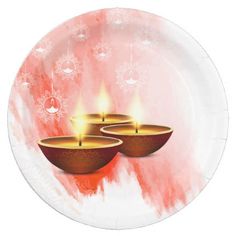
Diwali Instagram Highlight Cover choices have been drawing fresh attention because many accounts are still reorganizing and reframing last season’s festival material into permanent profile elements, rather than letting it sit as isolated Stories. A Diwali Instagram Highlight Cover now functions less like decoration and more like a visible index: what an account chose to keep, what it chose to edit down, and what it is comfortable presenting as a year-round identity.
That shift is partly technical. Instagram highlight covers are typically uploaded at Story dimensions—1080 × 1920 pixels—and then displayed as a small circular thumbnail, which changes what details survive at profile size. At the same time, Diwali coverage itself remains visually dense, mixing lamps, fireworks, rangoli patterns, family portraits, sweets, and temple visits in a tight span of days. Diwali 2025’s widely listed main date for Lakshmi Puja was Monday, October 20, which anchored much of the recent wave of posts that later became Highlights. In the weeks and months after, the re-editing continues—quietly, but in public view.
Motifs that hold up
Diyas as a persistent symbol
A diya is one of the few Diwali images that survives the brutal reduction of a tiny highlight circle. The shape reads quickly: a shallow bowl, a flame, a little implied glow. Even when creators avoid literal religious imagery, the diya remains acceptable shorthand because it signals “festival” without naming a specific household or ritual.
What changes from profile to profile is the degree of realism. Some covers lean toward a photographed lamp edge, cropped close enough to feel tactile. Others flatten it into a simple icon, closer to signage than memory. A Diwali Instagram Highlight Cover built around diyas often communicates restraint, especially when the flame is the only bright element and the rest is allowed to fall into near-black.
Rangoli reduced to geometry
Rangoli is frequently over-detailed, then quietly abandoned after designers see what the circle crop does to it. The more successful versions don’t try to reproduce a full floor piece. They borrow a single repeated element—petal loops, dots, or a symmetrical corner—and treat it as geometry.
That approach has a side effect. It turns rangoli from a record of effort into a pattern system, almost like fabric. For accounts that post a lot of lifestyle content, the pattern reads as continuity rather than a one-off event. When the shape is simple enough, it also survives future reshuffles: the same visual language can carry into other seasonal highlights without looking misplaced.
Fireworks without the noise
Fireworks are common in Diwali media, but they don’t always translate as cover art. The thumbnail is too small for the “burst” to feel expansive; instead it can look like random light specks. Designers who persist often reduce fireworks to two or three controlled streaks, keeping them centered and legible.
There is also a public-safety edge to the choice, whether stated or not. Some accounts avoid fireworks entirely, anticipating criticism or fatigue. Others keep them but soften the implication by using illustrated sparks rather than photos of actual blasts. A Diwali Instagram Highlight Cover that uses fireworks tends to frame Diwali as spectacle first, family second.
Sweets as a social signifier
Sweets are less symbolic than diyas but more socially revealing. A cover built from laddus or barfi implies hosting, gifting, visits—an outward-facing Diwali. It can also hint at a brand partnership or a culinary identity, even if no label is present.
Photographed sweets often look rich but can collapse into an indistinct beige circle at thumbnail size. As a result, many covers isolate one sweet shape, sharpen contrast, and let the rest fade into background blur. The choice is rarely innocent. It signals what the account considers “shareable” Diwali: not prayer, not travel, but the edible proof of celebration.
Portrait fragments and the ethics of cropping
Some highlights are personal archives, and the cover becomes the only stable “face” attached to that archive. Yet full portraits tend to fail at circle scale, and tight crops raise other questions—especially when children or non-public figures are involved.
Many accounts resolve this by using fragments: hands holding sparklers, wrists with bangles, a silhouette near light, or an out-of-focus family group with no distinct faces. That move reads like privacy, but it is also aesthetics. The Diwali Instagram Highlight Cover becomes a compromise between wanting warmth and avoiding the permanence of a clear identity on the profile front page.
Color, light, and texture
Gold as a default, and its limits
Gold remains the most predictable Diwali color cue. It implies warmth, prosperity, and indoor light. But it also risks looking generic, especially when paired with black in the same familiar contrast pattern that many templates already use.
The more distinctive uses of gold treat it as texture rather than a flat fill. Metallic gradients, grain, and “foil” effects suggest a physical card or invitation rather than a digital sticker. When that texture is handled subtly, it reads expensive. When it is pushed too far, the cover starts to resemble a discount banner. A Diwali Instagram Highlight Cover that leans on gold has to decide which side of that line it wants.
Deep reds that don’t read as alerts
Red fits Diwali in obvious ways, but red also carries platform baggage: notifications, warnings, urgency. In small icons, a harsh red can feel like an alarm rather than a festival.
Designers who use red successfully often lower saturation and introduce warmth through adjacent hues—rust, maroon, or vermillion softened by shadow. The circle crop can help here by removing hard edges. It turns a square red field into a badge-like emblem, which reads less aggressive. In that form, red can feel ceremonial again, closer to textiles and powder rather than UI.
Night-mode palettes and the “glow” expectation
A significant share of Diwali highlight covers now assume a dark background. The logic is practical: black hides imperfections at small size, and it allows the expected glow—flame, sparkle, fairy lights—to become the point.
But dark backgrounds can also flatten differences between accounts. The ones that stand out introduce a second darkness: navy, deep green, or a charcoal with visible grain. The glow then becomes less like neon and more like candlelight. A Diwali Instagram Highlight Cover built in that palette suggests someone thought about the light source rather than just dropping in a bright icon.
Pastels and the quiet Diwali aesthetic
Pastels are increasingly used to separate Diwali from the loudness of other festive imagery online. Soft peach, powder blue, and pale lavender can feel surprising in this context, which is part of the appeal. The cover reads like a curated mood board rather than a holiday poster.
This approach often pairs with minimalist line icons and lots of negative space, which helps legibility. It also communicates a particular kind of lifestyle positioning—clean, modern, less crowded. It can look elegant, but it can also feel detached from the messier, louder reality many people associate with Diwali. That tension is visible even in a thumbnail.
Photographic grain versus flat vector
The choice between photo texture and vector flatness changes the meaning of the highlight before anyone taps it. A photographic cover implies documentation. A vector cover implies branding. Many creators mix the two, but the mix has to look intentional, or it reads like inconsistency.
Grain is one of the most common bridges. A flat icon placed over a grainy background photo can feel unified, especially if the grain reduces detail and turns the photo into atmosphere. For a Diwali Instagram Highlight Cover, that atmosphere can be smoke haze, bokeh, or candlelit blur—images that evoke the season without insisting on a specific scene.
Type and icon language
When text becomes unreadable on purpose
Highlight cover text is often illegible at circle size. Some accounts still include it, not expecting it to be read, but expecting it to be felt as design. A tiny “Diwali” wordmark becomes a texture element rather than a label.
That strategy works best when the same typographic treatment repeats across other highlight categories, creating a uniform set. It fails when only the Diwali cover has type, because then the illegibility looks like a mistake. A Diwali Instagram Highlight Cover can carry text, but in most cases it functions as tone—formal, playful, traditional—rather than information.
Script styles and cultural cues
Script fonts appear frequently because they mimic calligraphy and invitations. In a Diwali context, that can signal tradition without needing overt symbols. Yet script also risks looking like a wedding aesthetic or a generic luxury brand, depending on how it is handled.
The more grounded choices keep script restrained: one short word, centered, with generous spacing. Heavier decorative scripts can blur in the circle and turn into a dark mass. The thumbnail is unforgiving. If the intent is cultural warmth rather than ornate display, the typography has to respect the scale. Otherwise the cover communicates clutter before it communicates festival.
Icon sets that behave like a newsroom stylebook
Some accounts treat highlight covers like a style system, not a scrapbook. Icons are chosen as a set: consistent stroke width, consistent corner radius, consistent visual weight. The Diwali cover is then one entry in a broader language, like a section label in a publication.
That approach carries a subtle authority. It suggests editing discipline, which makes the highlighted Stories feel curated even before viewing. It also creates pressure. Once a clean icon set is established, swapping it for a more emotional or photoreal Diwali image can look like a lapse. A Diwali Instagram Highlight Cover, in that environment, becomes less about celebration and more about staying on-brand.
The problem of religious imagery in a permanent badge
Religious motifs—goddess icons, temple outlines, sacred symbols—appear, but not uniformly. Some creators embrace them openly. Others avoid them, especially when the account is global-facing, brand-adjacent, or built around a neutral lifestyle identity.
Even for those comfortable posting religious content, making it a permanent cover is a separate decision. A highlight is not a fleeting Story; it is an emblem that sits under the profile photo for months. The public record of what was posted remains, but the cover declares what is meant to be seen first. The restraint seen in many Diwali Instagram Highlight Cover choices reflects that calculus as much as it reflects taste.
Language choice and the politics of labeling
Covers sometimes include words in English, sometimes in Hindi or other languages, sometimes in transliteration. The choice is partly audience targeting, partly self-description. English labels can read universal but distant. Native scripts can read intimate but can also be misread by outsiders as purely decorative.
Some accounts sidestep this by using no words at all, letting symbols do the work. Others use a single character or shorthand that only insiders recognize. A Diwali Instagram Highlight Cover with language on it is rarely just “design.” It quietly declares who the account expects to understand it, and who it is willing to let stand outside the circle.
How the set tells a story
Single cover versus series identity
A highlight cover is rarely seen alone. It sits in a row with travel, food, work, family, and whatever else the profile has decided to archive. The Diwali cover therefore competes, not just visually, but narratively. Is it a seasonal chapter? A core identity marker? A one-off event?
Some accounts treat Diwali as an annual slot, giving it a consistent cover each year with small variations. Others fold it into broader “Festivals” or “2025” categories. The Diwali Instagram Highlight Cover can be a standalone badge or a piece of a timeline, and that structural decision changes what the festival means on the profile.
What gets centered in the circle crop
The circular crop forces a decision about what matters. Place the diya flame dead center and the highlight reads devotional or traditional. Center a face and it becomes personal. Center sweets and it becomes social. Center fireworks and it becomes public spectacle.
Because the crop is fixed, designers often build a “safe” middle area and allow decoration to fall outside it. Instagram highlight covers are typically uploaded at 1080 × 1920 and then shown as a circle, which makes the center-weighting almost unavoidable. The result is that Diwali storytelling, at least at cover level, becomes an exercise in choosing the single most defensible symbol.
Brand partnerships and the cover as a soft disclosure
Diwali content often includes sponsored elements—outfits, makeup, sweets, décor, travel. Even when sponsorship is disclosed within Stories, the highlight cover is where the association can become normalized. A cover that uses a product-like aesthetic—clean packaging shots, showroom lighting—can hint at commercial involvement without saying so.
This is not always deliberate. Sometimes the most “usable” photo simply happens to be a product shot from a brand event. But on the profile, the impression remains. A Diwali Instagram Highlight Cover that looks like an ad sets a tone for the highlight before the first Story loads, shaping how viewers interpret everything that follows.
Archiving grief, absence, and the quieter posts
Not all Diwali highlights are bright. Some include absent relatives, remembered rituals, or muted celebrations. The cover becomes delicate in those cases: too cheerful and it feels false; too somber and it can feel like announcing private grief to strangers.
Many accounts choose neutral imagery—soft lamps, blurred lights, a simple rangoli corner—so the cover doesn’t overstate. The highlight then holds complexity inside, while the profile front stays composed. That pattern has become more visible in recent years, especially among creators who treat Highlights as a long-term record rather than a seasonal flex.
The post-Diwali edit and what it erases
A notable feature of Highlights is the late edit. Weeks after Diwali, creators remove clips, reorder sequences, replace music, and refine covers. The cover change is often the only public hint that the highlight itself has been rewritten.
This editing can tidy chaos into a clean narrative. It can also erase elements that were real at the time: crowded streets, smoke, awkward moments, disagreements, fatigue. The Diwali Instagram Highlight Cover then becomes a seal on the edited version, not the lived one. That isn’t inherently dishonest; it is simply what public archiving tends to do when the platform makes revision easy.
Diwali Instagram Highlight Cover design now sits at the intersection of memory and presentation, and that intersection keeps moving. The platform’s own constraints—Story-sized uploads displayed as circular thumbnails—push creators toward the same legibility tricks, even when their Diwali material is deeply personal. At the same time, the festival itself resists being reduced to a single symbol, which is why so many covers settle for abstraction: glow without context, pattern without place, celebration without faces.
Publicly established dates and rituals anchor the season, but the profile archive is shaped after the fact, long after the lamps are out. Diwali 2025’s main night for Lakshmi Puja, widely listed as October 20, generated a wave of Stories that later became curated highlights, and that curation is still being revised in plain sight. What remains unresolved is how stable any of these visual choices are. The next Diwali cycle can reset them, or it can expose them as a one-year aesthetic that doesn’t survive repetition.
Some accounts will keep tightening the look, treating the cover row like a permanent front page. Others will swing back toward messier, more documentary imagery. The circle under the profile photo will keep asking the same question, quietly: what is this account willing to keep?

