
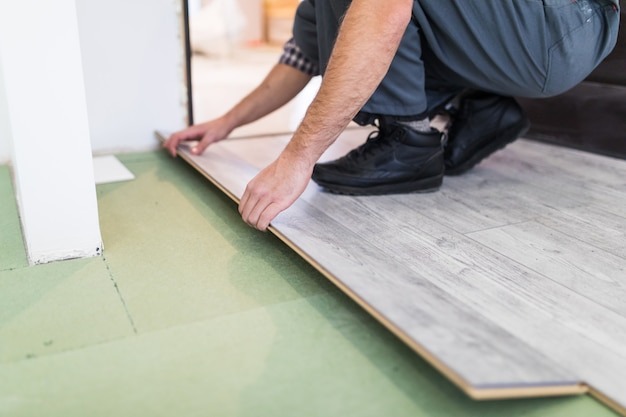
Hardwood flooring can add warmth, character, and a timeless appearance to many areas of a home. However, choosing the right flooring requires more than selecting a color you like. Homeowners should consider wood species, durability, finish, room conditions, maintenance needs, and installation requirements before making a purchase. Working with experienced hardwood floor installers can also help ensure that the selected flooring is properly installed and suited to the home.
1. Consider the Wood Species
Different hardwood species have different appearances, grain patterns, and durability levels. Oak, maple, walnut, cherry, and other varieties can create distinct looks.
Consider how the wood’s natural color will complement your walls, furniture, and overall interior design. It is also useful to think about how the flooring may look as it ages, since natural wood can develop changes in color and character over time.
2. Think About Durability
The amount of activity in each room should influence your flooring choice. Homes with children, pets, or frequent visitors may need flooring that can withstand regular foot traffic and occasional impacts.
Harder wood species can provide greater resistance to certain types of wear, although all hardwood can eventually show scratches or dents. Discussing expected household use with hardwood floor installers can help you understand which flooring options may suit your lifestyle.
3. Choose the Right Finish
The finish affects both the appearance and maintenance requirements of hardwood flooring. Hardwood floor installers can help explain the differences between available finishes and how they may perform in your home.
Glossy finishes can create a polished appearance, while matte or satin finishes may provide a more subtle look and can make minor surface marks less noticeable. Some flooring comes prefinished, while other options are finished after installation.
4. Evaluate Room Conditions
Not every room has the same environmental conditions. Areas exposed to moisture or significant changes in humidity may require additional consideration before hardwood is installed.
Basements, kitchens, and entryways can have different requirements from bedrooms or living rooms. Discuss the conditions of each space with a flooring professional before selecting materials. Proper preparation can help reduce problems related to moisture or changes in the wood.
5. Compare Solid and Engineered Hardwood
Homeowners can choose between solid hardwood and engineered hardwood depending on the property and installation area. Solid hardwood is made from a single piece of wood, while engineered flooring consists of multiple layers with a hardwood surface.
Engineered flooring can offer additional flexibility in certain environments. Hardwood floor installers can explain the practical differences between these options and help determine which type is compatible with the subfloor and room conditions.
Final Thoughts
Choosing hardwood flooring involves balancing appearance, durability, room conditions, maintenance, and installation requirements. Consider the wood species, finish, flooring type, and expected household activity before making a final decision. Samples can also help you see how different options look in your home’s lighting and interior design. With careful planning and support from experienced hardwood floor installers, homeowners can select flooring that complements their space and provides lasting value.