
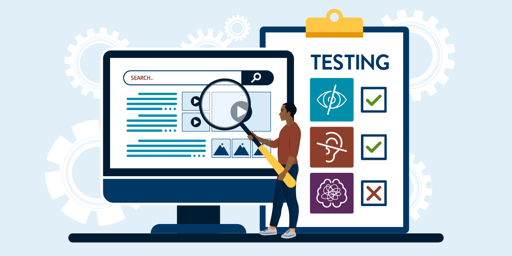
Web accessibility work should examine how people complete real tasks as well as technical requirements. This shortlist combines a Leeds-based agency with four wider UK specialists; it does not claim five local offices. Numbering is not a ranking of audit quality or a guarantee of legal compliance. Confirm the audience, scope and applicable requirements before commissioning. Technical auditing, user research and implementation can complement one another without being identical services.
1. Mixd — Leeds
Mixd publishes a Platform, New Station Street, Leeds address and accessibility audits, consultancy and training. Its wider design work has a public-sector emphasis. A business reviewing an existing website can ask about assessment and remediation rather than assume a full rebuild is needed. Confirm who tests, who fixes and what evidence is supplied. Claims about standards or regulations should become project-specific requirements, not an assumption that every service includes independent legal advice or certification.
Published provider information: Mixd — Leeds
2. AbilityNet — UK-Wide Specialist
AbilityNet publishes UK-based accessibility consultancy and inclusive research with disabled participants. Its description distinguishes technical WCAG review from evidence of how people use a service. A Leeds organisation comfortable with wider delivery can ask what combination fits. Confirm participant recruitment, test tasks and the reporting process. User findings should be interpreted through the actual audience and study rather than treated as proof that every disabled person will have an identical experience.
Published provider information: AbilityNet — UK-Wide Specialist
3. Shaw Trust Accessibility Services — Wider UK Option
Shaw Trust publishes technical expertise and testing by disabled users, with clients able to attend sessions remotely or in person. A business wanting evidence from real tasks can ask about the appropriate methods. Confirm any separate audit, implementation or continuing support. The service is included as a wider provider rather than a Leeds-office claim. Request what is evaluated and how recommendations will be prioritised, rather than assume a positive outcome for one journey establishes the accessibility of the entire service.
Published provider information: Shaw Trust Accessibility Services — Wider UK Option
4. Digital Accessibility Centre — Neath
Digital Accessibility Centre publishes a Neath address and testing combining automated checks with user evaluation against accessibility guidelines. A Leeds organisation can enquire about remote delivery and the actual scope. Ask who participates and which devices or assistive technologies are relevant. Confirm report ownership, remediation support and any retest. A wider assessment model should be matched to the product and audience rather than treated as a universally sufficient checklist for every website or application.
Published provider information: Digital Accessibility Centre — Neath
5. User Vision — Wider UK Delivery
User Vision publishes moderated testing with disabled participants in person or remotely across the UK. Its described approach includes recruitment, task design, observation and recommendations. A business examining barriers in important journeys can ask how that evidence would complement technical work. Confirm the current team and delivery terms. A research programme should explain its limitations rather than imply that participant testing alone proves conformity with every requirement or removes the need for continuing review.
Published provider information: User Vision — Wider UK Delivery
How to compare the proposed service
Define the website, users, important journeys and intended assessment scope. Ask consultants to separate technical auditing, user testing, fixes and retesting. Confirm the relevant WCAG version and level where a standard-based review is commissioned, without assuming a general service page defines every applicable legal obligation. Obtain appropriate specialist advice on those obligations where needed.
Request manual work and real-task evidence alongside automated checks as appropriate. Agree accessible reporting, prioritisation and the team responsible for changes. Confirm which pages, templates and states are sampled and what remains outside scope. Plan review when content and functionality change. An audit is evidence within a defined scope, not a permanent guarantee that every future interaction will be accessible.
Additional links supplied for this article
All four supplied links are included below. Scripts Validator and Server Scheduled were accessible as general technology-related publications during this check. Tech PR Dir and Bots Verified could not be retrieved, so their contents were not verified. These links are not evidence for provider entries or professional credentials, and inclusion does not imply affiliation, endorsement or an assessment of technical accuracy.
FAQs
Are all five Leeds-office consultants?
No. The Leeds agency and wider UK options are explicitly distinguished.
Can an automated score replace a full assessment?
Ask what manual, technical and user evidence the actual scope needs.
Will the consultant fix every finding?
Confirm implementation and retesting separately.
Does an audit guarantee legal compliance?
Do not assume that. Clarify scope and obtain appropriate advice for the organisation.
Make the next enquiry specific
Choose support around users, journeys and the evidence needed. Compare assessment, implementation and follow-up before appointing. Keep accessibility connected to ongoing design and content responsibilities rather than a one-off report treated as permanent assurance.