
Your car rarely wakes up one morning and announces, “Congratulations, I am now a very expensive problem.” More often, small clues appear first.
A little oil on the ground, an unusual smell, or a strange sound can be easy to dismiss when the car still drives normally. Paying attention to these signs can help you catch problems before they become bigger.
Pay Attention To Leaks
Take a quick look underneath your car after it has been parked for a while. A fresh spot on the ground may be nothing to panic about, but it should not automatically be ignored either. Oil leaks can leave dark or greasy marks around the engine area.
You may also notice oily surfaces under the hood or a smell that seems different from normal. Fresh oil can sometimes produce a noticeable odor when it reaches hot engine parts. The important thing is to notice whether the problem keeps happening.
Know What The Cover Does
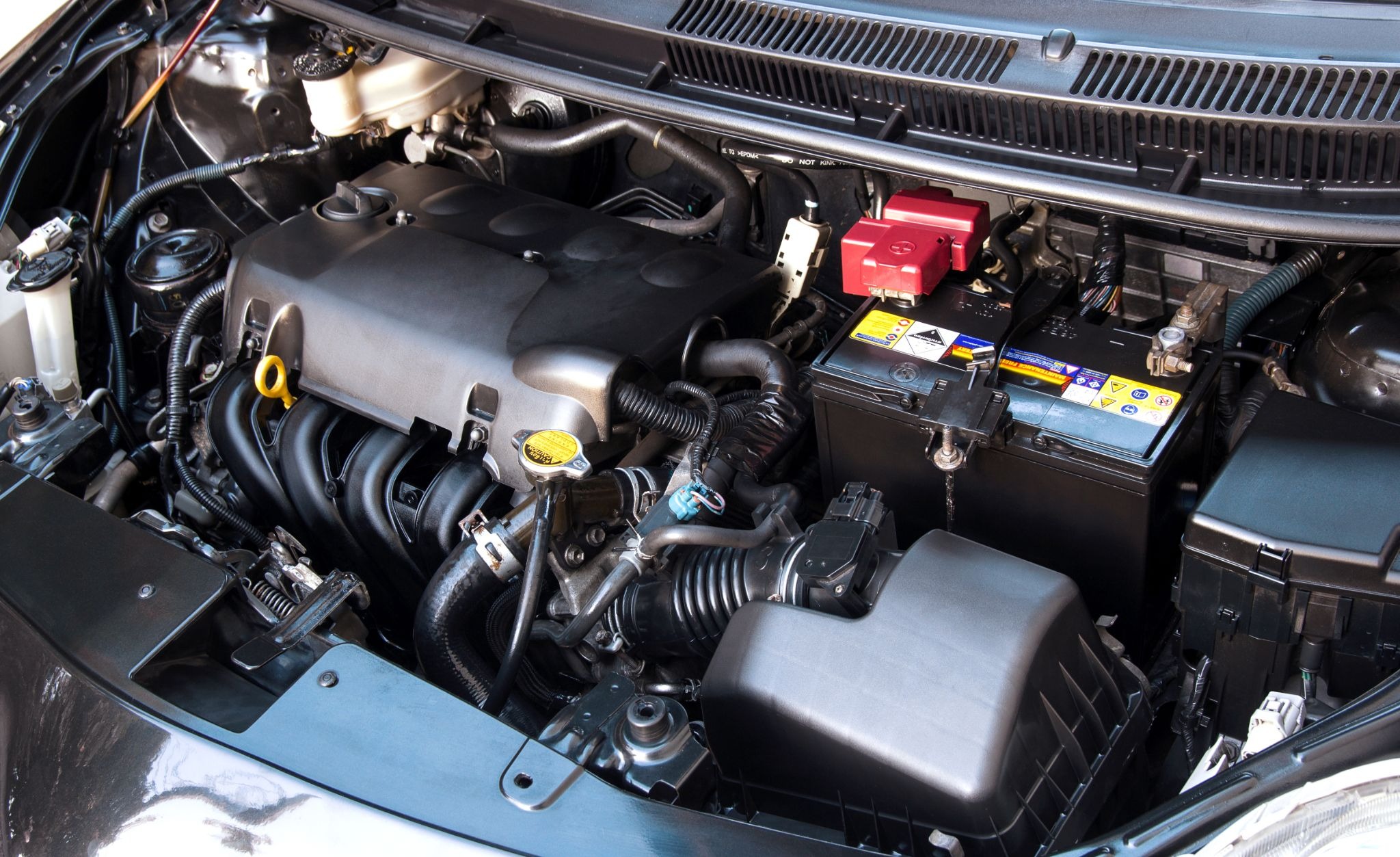
The valve cover sits over part of the engine and helps keep oil contained where it belongs. It also protects the components underneath from dirt and other unwanted material. You do not need to understand every part beneath the cover.
Oil needs to stay inside the engine rather than escaping around the edges and spreading across the engine compartment. When the sealing around the cover becomes weak, oil can begin to leak. A small leak can therefore be worth checking even if the car still seems to run normally.
Check Valve Cover Gaskets
Valve cover gaskets create a seal between the valve cover and the engine. Their job is fairly simple but important. They help prevent engine oil from escaping through the joint. Over time, a gasket can become worn, hard, or damaged. When that happens, oil may begin to seep around the cover.
You might notice oily areas near the edge of the cover or a burning-oil smell after driving. Repeated leaks should not simply be wiped away and forgotten. Cleaning the area may make it look better for a while, but it does not fix the reason the oil is getting out.
Notice Changes While Driving
Your car can provide clues while you are driving too. Pay attention to unusual smells, smoke, rough running, or sounds that were not there before. A strange noise does not automatically mean one specific part has failed. The same goes for a smell or change in performance.
Several different problems can produce similar symptoms, so guessing based on one clue can be misleading. What matters is noticing a change and remembering when it started. Tell a repair professional exactly what you noticed and when it happens.
Deal With Problems Early
Small engine problems are often easier to deal with when they are found early. A minor leak or worn sealing part can become more troublesome if oil continues escaping for a long time. If you keep finding fresh oil spots, notice repeated smells, or hear unusual sounds, have the vehicle inspected.
Continuing to drive and hoping the problem disappears is rarely a solid maintenance plan. Early attention can sometimes prevent additional damage and may save you from a much larger repair bill later.