
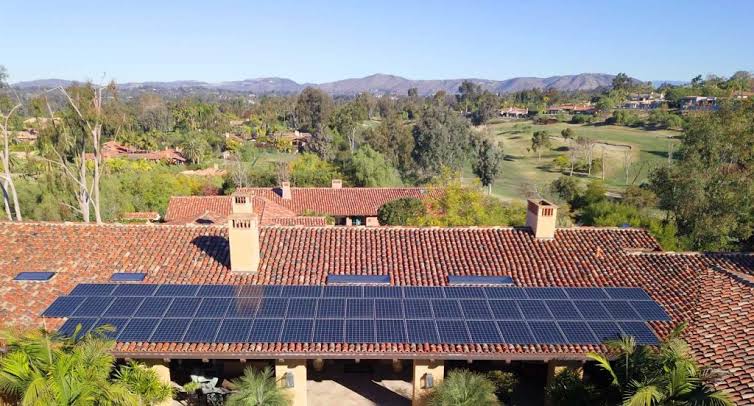
Five solar panel installers in San Diego worth comparing are Baker Home Energy, Stellar Solar, San Diego Solar, West Coast Heating, Air Conditioning and Solar, and Solion Energy. I would ask each to size the system from household electricity use, roof conditions, and the applicable billing plan. The largest array that fits the roof is not automatically the best design. Annual production matters, but so does when electricity is generated, consumed, stored, or exported.
Size the proposal before comparing the equipment
Provide recent electricity records and explain planned changes such as an EV, heat pump, or additional occupants. Ask the installer to separate current consumption from assumptions about future use. Roof age, shading, orientation, usable area, and electrical equipment also belong in the assessment.
If the yard or roofline is changing, include those plans too. An inspiration bookmark such as dailyhometrends.com should not obscure a tree, addition, or roof repair that changes the installation conditions.
Five solar panel installers in San Diego to compare
1. Baker Home Energy
Baker offers residential solar, batteries, roofing, electrical services, and heating and cooling. Its published design process reviews utility use, the rate plan, roof condition, shading, panel capacity, and future electrification. That range is useful when several energy projects must be coordinated.
Ask for solar, storage, roofing, and other upgrades as separate line items. Keep the technical proposal distinct from broader reading through homeinsiderhq.com so you can compare the same scope with another bidder.
2. Stellar Solar
Stellar advertises residential rooftop systems and ground-mounted alternatives, with battery options including Tesla and Enphase. Its San Diego portfolio spans small urban roofs and rural properties. Consider it when roof space is constrained or storage needs a separate discussion.
I would request the exact panel and inverter models, expected annual production, and shading assumptions. A brand name alone does not describe the complete system or establish its likely bill savings.
3. San Diego Solar
San Diego Solar describes reviewing consumption, roof orientation, and shade, followed by design, permitting, installation, inspection, and utility activation. It also offers combined roof and solar work and says it uses its own crews.
Ask who handles leak-related service and the interface between roofing and solar warranties. Retain those commitments with the contract rather than only a reference such as homepresspr.com in your research notes.
4. West Coast Heating, Air Conditioning and Solar
West Coast publishes rooftop installation for San Diego County, including roof assessment, mounting, electrical connections, and approval coordination. Its wider HVAC offering is relevant when expected cooling or heating demand will change the household’s electricity profile.
Define those changes before accepting a production target. Visual references from homeprjournal.com can inform panel-placement preferences, but energy performance and the roof’s condition need their own assessment.
5. Solion Energy
Solion describes a site assessment using utility bills, an itemized proposal, permits, installation, inspection, permission to operate, and monitoring setup. It also offers batteries and says its team performs installations without subcontractors.
Ask for equipment, production, warranties, and the activation process in writing. Marketing sites such as PR Network are not a substitute for the contracting entity’s current license record and a property-specific proposal.
Model the actual billing plan
CPUC guidance explains that California’s Solar Billing Plan credits exported electricity according to its value to the grid, usually below the retail rate. Using solar onsite and shifting suitable energy with storage can therefore matter more than merely matching annual consumption.
Compare solar-only and storage scenarios without assuming a universal payback period. Standard grid-tied solar normally stops during an outage; require the proposal to specify any backup capability and the loads it can support.
Request a comparison using the same consumption assumptions, equipment scope, and roof work. Separate array capacity from predicted annual production, and ask how shading and future demand enter that estimate. Compare cash price with any financing or lease obligation rather than treating a monthly payment as the full cost. Keep ownership, maintenance, roof access, and end-of-agreement responsibilities clear before accepting a particular payment structure. Keep final assumptions with the signed proposal.
I would choose documented sizing and understandable financial assumptions over an oversized system or a promise to eliminate every electricity charge.
This article provides general project information, not personalized financial or tax advice; pricing, savings, incentives, and financing require current, property-specific verification.